


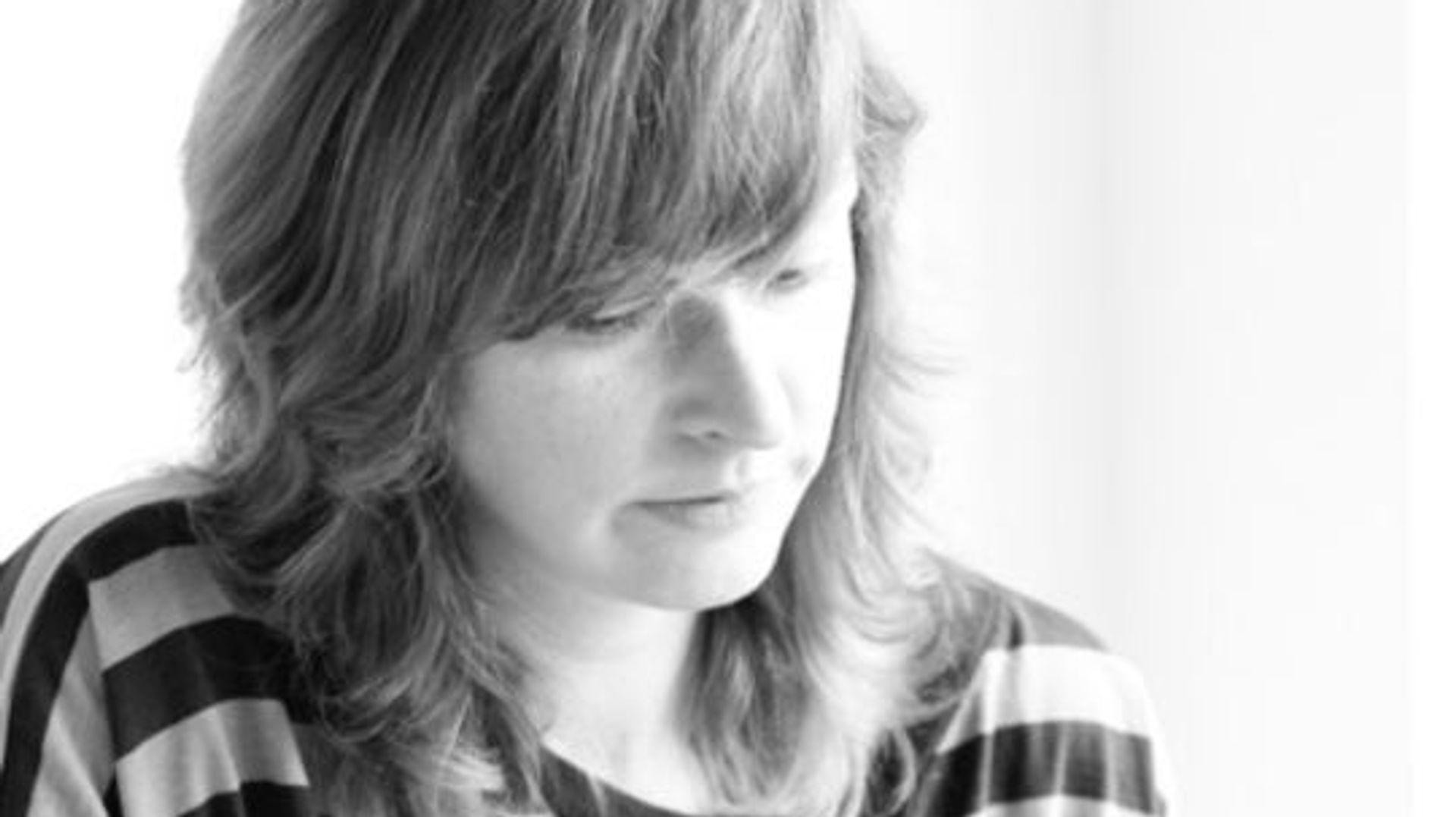
In-conversation with playwright Siân Owen
How Soon is Now? is a brand-new indie musical set to a soundtrack on 90’s classics by award-winning playwright Siân Owen. It debuts this autumn at Lowry ahead of a UK tour. We caught up with Siân to tell us more about the musical which captures the highs and lows, darkness and light of a big night out on New Year’s Eve.
How Soon Is Now? is set in 1997. Is this a moment in time that feels particularly relevant to you?
1997 was a huge year for me. I turned 18 that year and where I grew up, Newport South Wales, was buzzing. It had this incredible indie music scene, and I had this brilliant group of friends (luckily I still do!) , we were out all the time and it was a rites of passage year. I also worked in an indie nightclub which was mad and magic.
That year I voted for the first time, experienced loss for the first time and had to make those huge decisions about what came next after leaving school. It felt like such a pivotal moment for me and my friends because we were all so close and then suddenly had to decide where to go next. Politically it was an exciting time too. There was such a sense of optimism and possibility. So creatively, for me, it felt like beautiful territory to dive back into.
Do you think it will resonate with audiences today, particularly younger people?
Not only is 90’s is making somewhat of a comeback with the music as popular as ever, I also think there are many similarities between then and now. There's that feeling that an era is ending and we're longing for something better. Public services, the NHS, schools, politics transport, the cost of living – there's a sense we're all a bit broken, trying to find another way through and never quite getting on top of things. I certainly feel that now, and I think our characters do too.
Since then, Technology has changed the world and we're connected all the time, but it still feels like we're standing on the cusp of another huge shift with AI and everything else. The world looks different, but the uncertainty and hope for what's next feels very familiar. So, younger audiences might not remember 1997, but they'll recognise those emotions.
I also hope the show reminds us of the importance of spaces where people come together. Back then, music venues and nights out were a huge part of life. Today, many of those places are closing and people simply don’t have the money to go out. In a way, this is a bit of a ‘call to arms’ to save those places, those nights, those dreams and those moments. Because I genuinely think that's how we get through difficult times – through joy, hope and community. That's really what this play is about. Finding glimmers in the dark.
It feels like a lot of the inspiration for this story is very personal?
Definitely. Some of it is pure imagination, but some of it comes straight from experience and from the memory box. I think I'm a bit of a magpie. My brain collects little films and photographs from life and then, somehow, years later, they find their way into the writing.
Working in the nightclub left such vivid memories. Watching a crowd react when a certain song comes on, seeing friendships form, seeing fights break out, watching people fall in love or fall apart – all of those moments stayed with me. Some parts are deeply personal, others come from friends, stories I've heard, or people who were only in my life for a season but somehow left a lasting mark. It’s a kind of mixtape of people, nights and memories.
Do any of the characters resonate with you personally?
I’d say there are bits of me in all three, but Jean is probably the closest to my heart and life. That feeling of leaving somewhere you've always known, meeting people at exactly the right moment when life isn't going well, and them somehow helping to save you... that's something I really wanted to capture.
The production has evolved over many years, beginning life as a play before becoming a musical. Can you tell us about that journey?
I always like talking about that because I don't want new writers thinking these things happen overnight. Sometimes they take years and arrive when the time is right. We’ve actually been working on it since 2016, although the seed was planted even earlier in 2011.
Originally it was a play inspired by music. After I'd had my children, I realised what I really wanted to write about was music itself – what it does to people, how transformative it can be and the people we find through it. Music is the soul of this show.
What do you think the score adds to the show?
If I hear a song, like a lot of people I'm instantly transported somewhere else. Music and memory are completely linked. A song can take you to the happiest day of your life or the hardest one. Sometimes you simply don't have the words, but someone like Thom Yorke or Damon Albarn already found them for you years ago. You can play a song for someone and they instantly understand exactly how you're feeling. That's really where the musical side came from. These characters reach points where they don't have the words anymore, so they borrow them from the songs they love.
Are there particular artists or songs from that era that have stayed with you?
It's impossible to choose just one because I still listen to all of it. Radiohead, Blur, Oasis, The Smiths, Elastica... they all shaped me. I went to Glastonbury in 1997 and saw Radiohead, which was iconic. And I wanted to be Justine Frischmann from Elastica. I'd steal my brother's Fender guitar, stand in front of the mirror playing Connection and just try to look cool (never has worked!) Every song in the show has a personal connection. I genuinely love them all.
So, it must have been tough to choose the ‘playlist?
Honestly, it was one of the most joyful parts of the process because I basically got to make a giant mixtape! One of the earliest songs was No Surprises. Then I heard Regina Spektor's cover of it and it completely broke my heart. That version really unlocked something for us. We realised these characters could use songs like this to tell their stories.
The songs we chose are songs that still work when they're stripped right back. If someone else can reinterpret them and they're still emotionally powerful, they'll stand the test of time. I hope audiences hear something new in songs they already know and love.
How important was Manchester and its music scene in shaping the story?
Manchester always had this mythical quality. The Smiths, The Stone Roses, Oasis… the list is endless. Although I'm from Newport and usually write about Wales, it became really interesting to explore Manchester because, for Jean, it was the place she'd always dreamed of going. It was this Mecca of indie music. That became a brilliant starting point for the story. We discover why she's there and what she's really searching for. It also felt lovely to connect Wales and Manchester because there are similarities between those communities, and bringing those worlds together felt really special.
What do you hope audiences will feel when they watch the show?
I want people to have a really good night out. I want them to feel like they're standing in the middle of a nightclub watching this story unfold around them. I want them to laugh, cry, dance and escape for a couple of hours from everything happening outside. There are dark moments in the show, but it doesn't leave you there. It shines a light into those moments and reminds us that we all have them, but there are ways through.
The show celebrates friendship. It celebrates the tribe you find on nights out and in communities that become your family. It celebrates music and everything music can do. Even though there is darkness within it, the whole play is really asking, where is the light? And believing there always is some. Most of all, this isn't a play that lectures you. Hopefully you'll leave feeling as though you've been out with friends, surrounded by music, joy, laughter and hope.
There's magic in the show too. The DJ almost becomes a kind of time wizard, and that gives the whole production has this beautiful sense of possibility. One of the earliest notes I ever wrote about it still feels true:
‘It starts with one lonely voice – quiet, broken and discordant. Then it grows into colour, movement, harmony and strength, until it ends with dancing, mirror balls, neon, beating hearts and hope’.
And that's exactly what the show is. It starts with one broken heart and ends with three mending hearts. If someone came into the theatre on a really bad day, I'd love them to leave believing there's hope somewhere.
Can you describe the show in one sentence?
A love song to music, friendship, courage and light.
And in three words?
Hope. Hope. Hope.
Filled with heart, humour and hope, How Soon is Now? captures the magic of those nights that change us forever. An uplifting new musical about finding your tribe, it reminds us that even in our most difficult moments, these connections can bring light and hope to even the darkest of times.
Tickets are on sale now. Find out more at thelowry.com
Follow @boxoftrickstheatre.